The Season Flipped
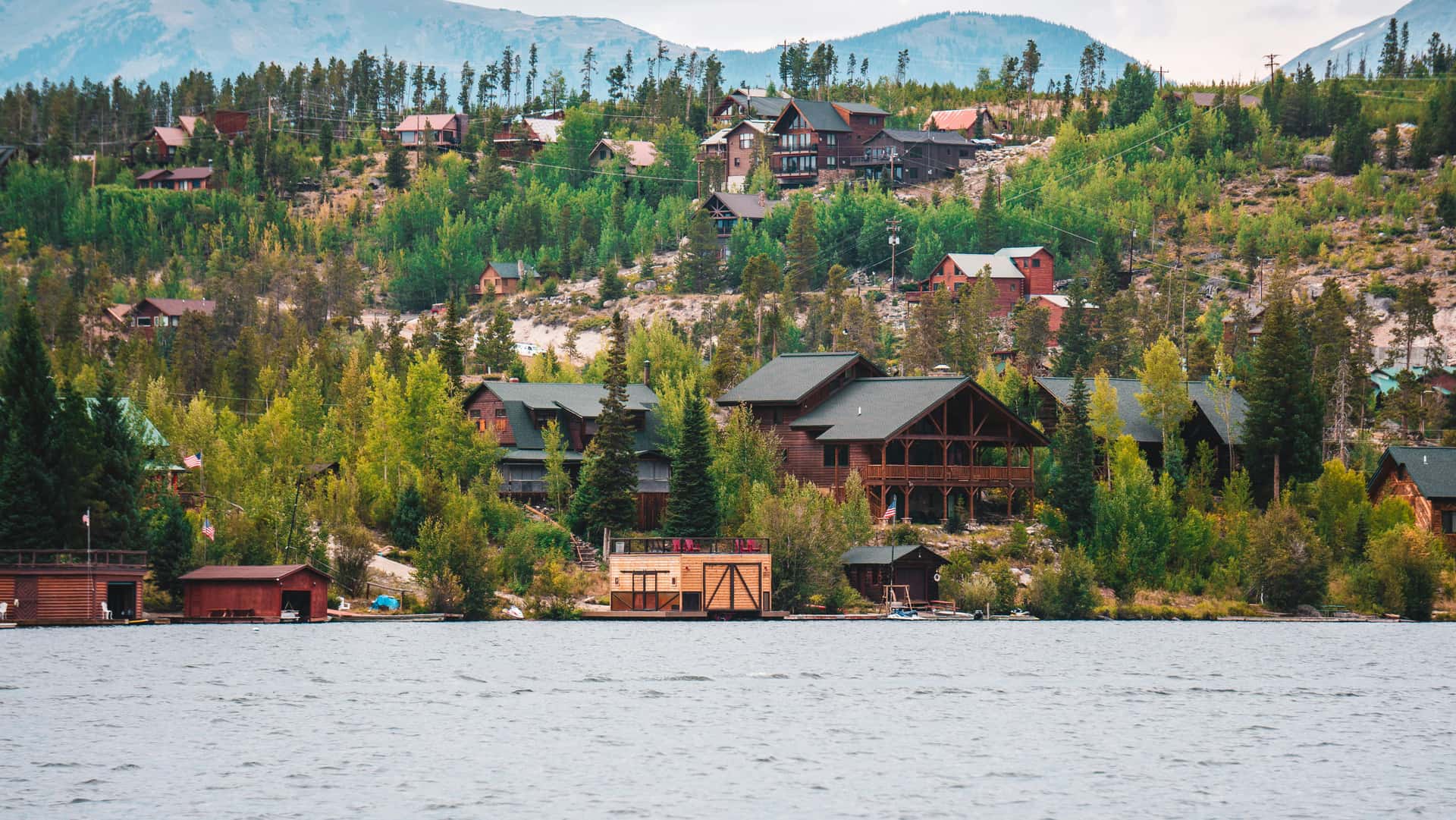
Colorado resort real estate has always sold on snow. This year broke the pattern. After one of the weakest snow winters in recent memory, agents across the high country report that it's summer doing the selling — buyers who came for hiking, fishing, and 75-degree afternoons and started calling listing agents before Labor Day.
That shift matters for anyone financing a mountain purchase this fall, because it's happening against an unusual inventory backdrop.
What the Numbers Say
Listings Are Down, Not Up
New listings are down sharply in Pitkin, Routt, San Miguel, and Summit counties. Owners with pandemic-era rates in the 3s have little reason to sell, and the ones who do list are pricing with confidence. The post-2020 frenzy has cooled — sales counts are well off their peak — but scarce supply is keeping prices from correcting the way some buyers hoped.
The High End Is Carrying the Market
In Summit County, homes priced above the roughly $2.2 million average accounted for half the dollars changing hands in the first quarter of 2026. Summit and Eagle counties remain the priciest resort markets in the state, with single-family medians routinely above $1.5 million. Aspen remains its own universe, with average prices past $17 million.
Buyers Are Shopping the Second Tier
Agents also report buyers migrating out of Aspen, Vail, and Summit into quieter, cheaper mountain communities — the Gunnison Valley, the Arkansas Valley, Grand County. If your budget doesn't work in Breckenridge, it may work forty minutes away — often with looser short-term rental rules, too.
Financing a Mountain Purchase in This Market
Expect Jumbo, Plan for Jumbo
The 2026 conforming limit covers less of the mountain market every year. Above it, you're in jumbo territory: plan on 20%+ down, strong reserves, and underwriting that looks hard at income stability. The good news — jumbo pricing in 2026 is competitive with conforming, and sometimes better for strong files.
Get the Occupancy Classification Right
A second home and an investment property are different loans with different rates. If you'll genuinely use the place and rent it occasionally, second-home financing from 10% down is on the table. If the spreadsheet only works with 30 weeks of bookings, be honest about that — a DSCR loan that qualifies on the property's rental income is built for exactly that buyer.
Check the STR License Before the Offer
Almost every resort town has tightened short-term rental licensing since 2023. Caps, waitlists, and zone maps vary block by block. If rental income is part of your plan, confirm what license the property can actually hold — our STR financing guide covers how lenders treat that income.
Budget the Insurance Line Early
Wildfire exposure has made homeowners insurance the deal-breaker line item in parts of the high country. Quote the specific property before you go under contract, and read our breakdown of the 2026 insurance market for what high-risk premiums look like now.
The Honest Read
A snowless winter didn't crash the mountain market — it rerouted it. Demand shifted to summer, supply stayed tight, and the high end kept clearing. For buyers, the fall window is real: less competition than the winter selling season, sellers who've been sitting since spring, and financing options that reward preparation. The buyers who close well up here are the ones whose loan structure — jumbo, second home, or DSCR — was decided before the offer, not during underwriting.
Thinking about a mountain purchase this fall? Talk to Cedar Home Loans — we finance second homes and investment properties in every Colorado resort market. Call (303) 549-5277 or start your pre-approval here.