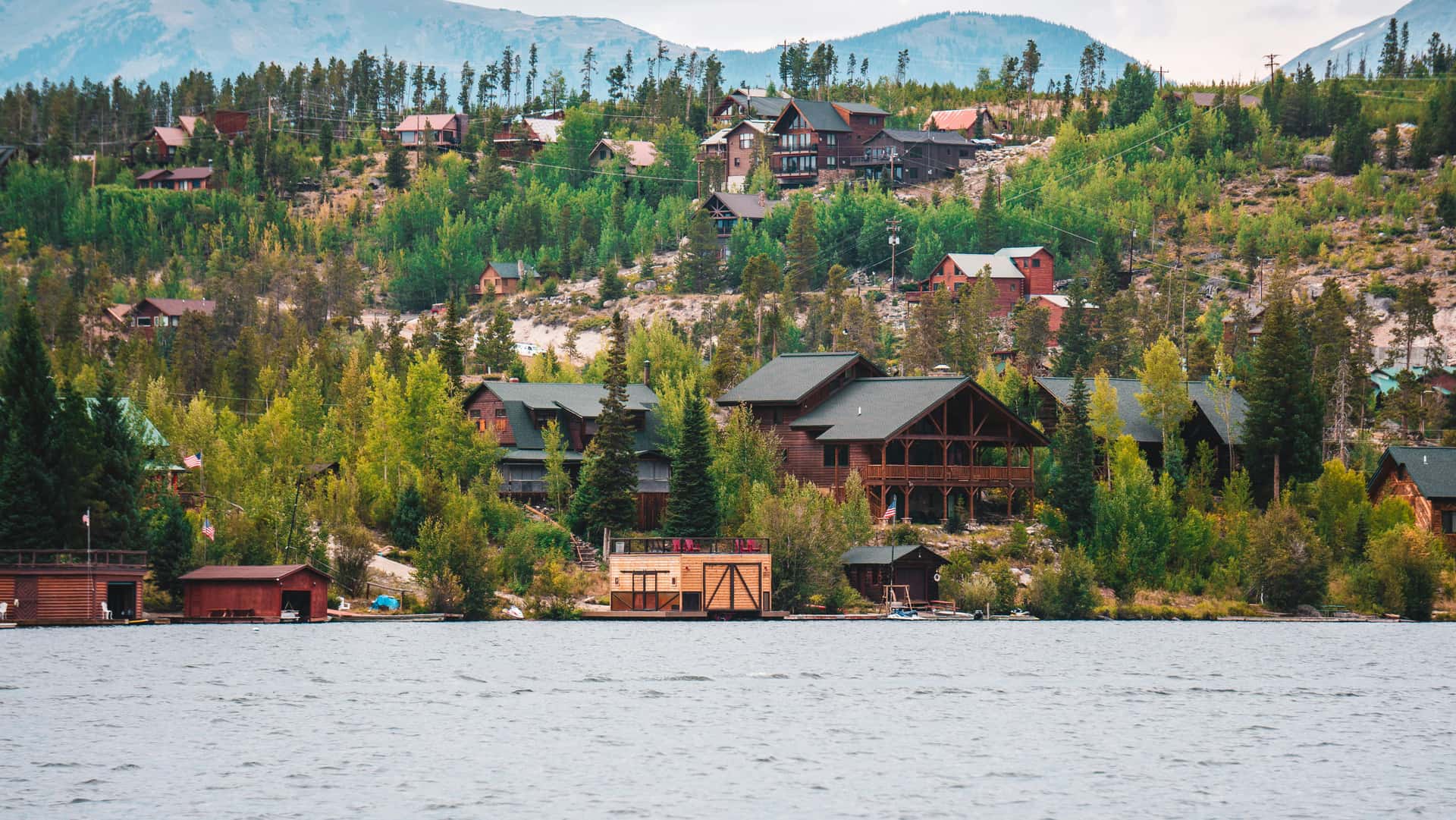
A slopeside condo with a front desk, a ski valet and a rental program sounds like the perfect mountain getaway. To a mortgage underwriter, those same features can make the building ineligible for a standard loan. If you are shopping for a condo in Vail, Beaver Creek, Breckenridge, Keystone, Steamboat, Telluride or Aspen, here is how to tell whether a building is financeable before you fall for it, and what your options are if it isn't.
Key takeaways
- Fannie Mae, Freddie Mac and FHA all treat condotels and projects with mandatory rental pools as ineligible.
- Fannie Mae lists "location of the project in a resort area" and ski-lift shuttles or lift passes as red flags that call for extra review.
- Condotels and other non-warrantable condos are financed with portfolio or non-QM loans, usually with 20% to 35% down.
- From January 4, 2027, conventional loans need condo budgets with at least 15% going to reserves, up from 10%.
- Ask for the condo questionnaire, budget, rental program documents and insurance on day one.
What makes a condo "warrantable"
A conventional condo loan depends on the whole building, not just your unit. The lender reviews the project against Fannie Mae or Freddie Mac standards. If the project passes, the condo is "warrantable." If it fails, it is "non-warrantable," and a conventional loan is off the table no matter how strong your credit is.
Fannie Mae's list of ineligible projects was updated on August 5, 2026. The items that matter most in ski towns are below.
Hotel-type operations
A project is ineligible if any of these are true:
- The HOA is licensed as a hotel, motel, resort or hospitality business.
- The legal documents restrict when owners can use their own unit.
- Owners must put their unit in a rental pool, or share rental profits with the HOA, a management company or a hotel operator.
- The project offers hotel-type services such as "registration services, rentals of units on a daily or short-term basis, daily cleaning services, central telephone service, central key systems and restrictions on interior decorating."
- A hotel or resort company manages the building and also runs short-term rentals for owners.
- The project is marketed as a hotel, resort or investment opportunity, or carries a hotel rating on booking sites.
Voluntary rental programs can also cause trouble when they come with blackout dates, occupancy limits or revenue sharing.
Red flags that trigger a closer look
Fannie Mae asks lenders to dig deeper when they see features like these, many of which describe a typical ski building:
- "75% or more of the units are owned as investment and second home occupancy"
- "location of the project in a resort area"
- "units that do not contain full-sized kitchen appliances" or "units that are less than 400 square feet"
- amenities such as "ski lift shuttles or ski lift and trail passes," equipment rentals or airport shuttles
- "interior doors that adjoin different units," known as lock-off units
- advertised daily or short-term rental rates
A red flag doesn't automatically disqualify a project. It means the lender has to confirm the building is residential and not run as a hotel. In Telluride's Mountain Village, for example, zoning separately defines hotel and "efficiency lodge" units, described as having "limited kitchen facilities used for short-term accommodations." Those are exactly the features underwriters look for.
Other common reasons a project fails
- Commercial space above 35% of the project. Hotels and rental apartments inside the project count as commercial.
- Single-entity ownership: one owner holding more than 20% of units in a project of 21 or more units.
- Litigation involving the HOA or developer that relates to safety, structural soundness or habitability.
- Critical repairs, including unfunded repairs costing more than $10,000 per unit that should be done within 12 months, or water intrusion, mold or advanced deterioration.
- HOA finances: more than 15% of units 60 or more days behind on dues, or less than 10% of the budget going to reserves, under Fannie Mae's full review rules.
What changed in 2026
Fannie Mae and Freddie Mac made their biggest condo changes in years in 2026. We covered them in detail in our August condo rules update. In short:
- Investor concentration limit retired. In March, Fannie Mae dropped its 50% investor-concentration limit for established projects, and Freddie Mac retired its 50% owner-occupancy requirement. That helps resort buildings with many second-home and rental owners.
- Limited review retired. From August 3, 2026, established projects need a full review, unless the project is small enough for a waiver.
- Stricter reserve studies. If a lender relies on a reserve study, the budget must include the study's highest recommended reserve amount.
- Insurance limits. From July 1, 2026, master policies can't carry a per-unit deductible above $50,000, and owners need an HO-6 policy covering that deductible.
- Reserves rise to 15% of the budget for applications on or after January 4, 2027.
The hotel-type rules did not change. A true condotel is still ineligible.
Why FHA rarely works for ski condos
FHA loans are for primary residences, so they don't fit most mountain second homes. FHA's Single Family Housing Policy Handbook also bars condo hotels and projects with mandatory rental pooling. It requires projects to be primarily residential and not used for "transient or hotel purposes." Under federal law, that means any rental shorter than 30 days. If you will live in a mountain-town condo full time, FHA may still be an option in a residential building. See our FHA loan page.
How condotel and non-warrantable loans work
When a project fails agency standards, the loan comes from a lender that keeps it on its own books or sells it to private investors. These are portfolio or non-QM loans. Terms vary widely, and some lenders exclude condotels entirely. Published programs we reviewed fall in these ranges:
| Item | Non-warrantable condo | Condotel |
|---|---|---|
| Maximum loan-to-value on a purchase | About 75%–80% | About 65%–75% |
| Down payment | About 20%–25% | About 25%–35% |
| Minimum credit score | About 660+ | About 660–740 |
| Reserves | Several months of payments | 3–12 months, rising with loan size |
| Loan size | Program limits vary | Often capped around $1M–$1.5M |
Expect a higher rate than a conventional condo loan. Some condotel programs require a minimum unit size and a full kitchen. If you plan to rent the unit most of the year, a DSCR loan can qualify you on the unit's rental income instead of your personal income, where the program allows condotels. Whether you finance it as a second home or an investment also matters. We compare the two in second home vs. investment property.
Colorado-specific points
- Reserve studies aren't required by state law. Under Colorado's Common Interest Ownership Act, an association must have a reserve policy, but the Colorado Division of Real Estate confirms a reserve study itself is not mandatory. A newer law, HB26-1099, requires developers of new condo communities to fund an independent 30-year reserve study before handing control to owners. It doesn't apply to existing buildings.
- Ask for the records. Colorado law requires associations to make records available to owners, including the most recent reserve study if one exists. As a buyer, request them through the seller before your deadlines.
- Town rental rules are separate. Aspen, Breckenridge, Steamboat Springs, Summit County, Vail and Snowmass all license short-term rentals, and some cap licenses by zone. HOA rules can be stricter than the town's. Check both before counting on rental income. Our Colorado short-term rental guide covers the major markets.
Your buyer checklist
- Condo questionnaire (Fannie Mae Form 1076 or 1077). Your lender uses it to check the project's status.
- HOA budget and reserves. At least 10% of the budget to reserves now, 15% from January 2027.
- Rental program documents. Look for any rental pool, revenue sharing, front desk, blackout dates or limits on owner use.
- Board minutes, special assessments and any inspection from the past three years.
- Insurance. The master policy, the per-unit deductible and the HO-6 policy you will need.
- Litigation. Ask whether the HOA or developer is in any suit or arbitration involving safety, structure or habitability.
What this means for you
I have financed mountain condos in Vail, Summit County and Telluride for more than 30 years. The most painful situation I see is a buyer who learns two weeks into escrow that the building is a condotel. The fix is simple: send me the listing before you write the offer. In most cases we can tell within a day or two whether the project fits a conventional loan, needs a non-warrantable program, or should be financed as an investment property.
See our Vail second-home loans and jumbo loan guide, or start a pre-approval with Cedar Home Loans.
Sources
- Fannie Mae Selling Guide — B4-2.1-03, Ineligible Projects (August 5, 2026)
- Fannie Mae Selling Guide — B4-2.2-01, Full Review Process (August 5, 2026)
- Fannie Mae — Lender Letter LL-2026-03, Condo project review updates (March 18, 2026)
- PennyMac — Announcement 26-81 on retired limited review and reserve studies (July 21, 2026)
- HUD — Single Family Housing Policy Handbook 4000.1, Update 18 (August 12, 2026)
- 12 U.S.C. 1731b — rental for transient or hotel purposes
- Town of Mountain Village — Condominium zoning designations
- Colorado Division of Real Estate — HOA Forum on reserve funds (October 27, 2023)
- Colorado General Assembly — HB26-1099, Protect Financial Condition of HOAs
- A&D Mortgage — DSCR matrix with condotel terms (August 28, 2026; example of published terms)
- LendSure — Condotel program (example of published terms)