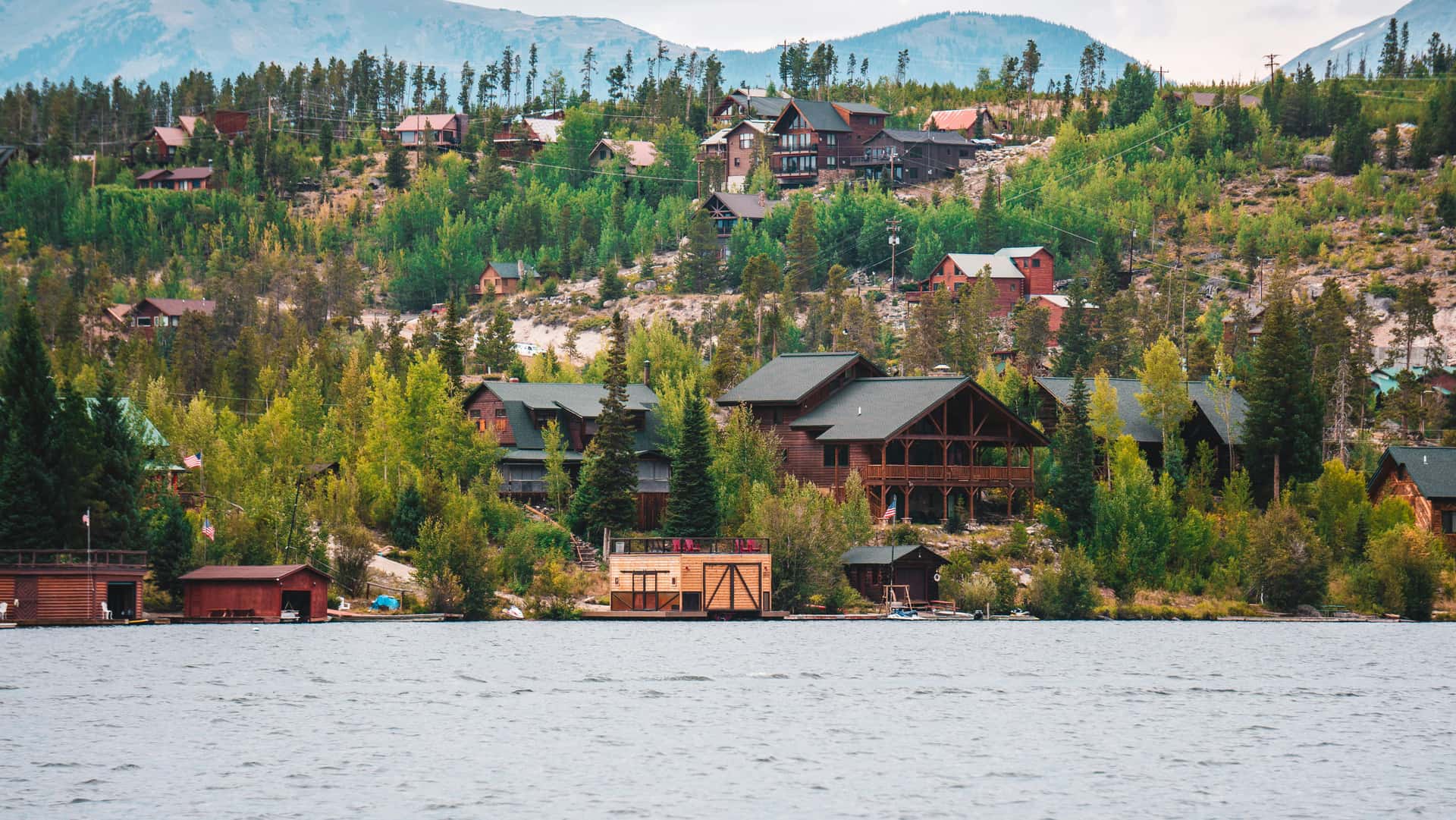
The Evolving STR Landscape in Colorado Mountain Towns
Short-term rental (STR) income has long been a key financial pillar for Colorado mountain property owners. Platforms like Airbnb and Vrbo have made it easier than ever to generate income from vacation homes. But local governments have been tightening regulations to balance tourism revenue with housing affordability and neighborhood quality. If you're buying a mountain property with rental income in mind, understanding these rules is critical—and it directly affects your mortgage qualification.
Town-by-Town Regulatory Overview (2026)
Summit County (Breckenridge, Frisco, Keystone, Silverthorne)
- STR license required; annual fee $300–$600
- Breckenridge: Cap on STR licenses in certain neighborhoods; waitlists for new licenses
- Tax: 3.5% local lodging tax + county + state sales tax (combined 12–14%)
- Noise and occupancy limits enforced with fines up to $5,000 for violations
- Bear-proof trash container required for all STR properties
Eagle County (Vail, Avon, Edwards)
- Vail: STR licenses available but with a tiered fee structure based on number of bedrooms
- Recent enforcement crackdowns on unlicensed rentals
- Combined tax rate around 10.4% on short-term rental income
- Mandatory safety inspections for license renewal
San Miguel County (Telluride, Mountain Village)
- Telluride Town: Limited STR permits; preference given to properties in commercial zones
- Mountain Village: More permissive, with most condos eligible for STR
- Workforce housing linkage fees on some new STR permits
- Combined tax rate approximately 11.5%
Routt County (Steamboat Springs)
- City has capped total STR licenses at approximately 2,800
- Transferability rules: Some licenses transfer with property sale, others don't—verify before purchasing
- Annual license renewal with compliance verification
- Increased penalties for operating without a license ($1,000/day)
How STR Rules Affect Your Mortgage
Rental Income Qualification
Lenders will count projected rental income differently depending on the regulatory environment:
- Licensed STR with documented income history: Most lenders will count 75% of net rental income toward qualification
- New STR with no history: Some lenders accept projections from comparable properties; others require 12 months of actual income
- Properties where STR is prohibited: Only long-term rental income (if any) can be counted
Loan Type Implications
- Second home financing (lower rates, lower down payment) requires the property NOT be in a rental pool or managed as a business full-time
- Investment property financing is required if you plan to rent more than 180 days/year or the property is exclusively a rental
- The distinction between second home and investment property affects down payment (10% vs 20–25%), rates, and reserve requirements
Due Diligence Checklist for STR Buyers
- Verify STR is currently permitted for the specific property (not just the area)
- Confirm whether the STR license transfers with sale
- Review HOA rules—many associations restrict or prohibit STR even when the municipality allows them
- Obtain actual rental income records from the seller (not just projections)
- Estimate net income after: management fees (20–30%), cleaning, supplies, taxes, insurance, maintenance, and vacancy
- Factor in the total tax burden (sales tax + lodging tax + income tax)
The Bottom Line
Mountain property with STR income can still be an excellent investment, but it requires more research and careful structuring than it did five years ago. The regulatory landscape has shifted from permissive to restrictive in most Colorado mountain towns, and this directly impacts both your purchase decision and financing options.
Planning to buy a mountain property with rental potential? Get pre-approved with Cedar Home Loans and let us help you structure the right financing for your investment goals.