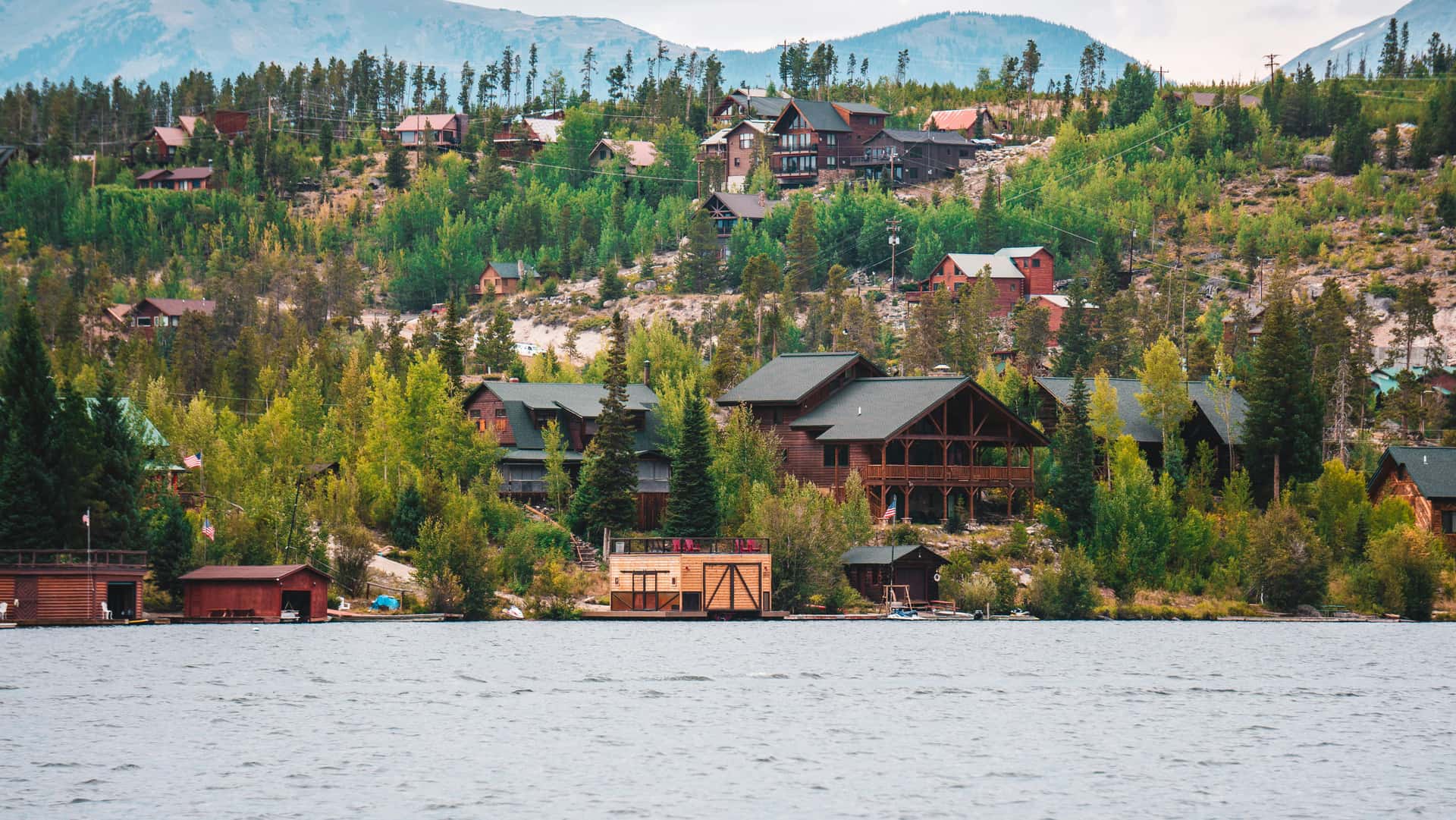
ADUs Are Reshaping Colorado's Housing Landscape
Colorado's landmark accessory dwelling unit (ADU) legislation—originally passed in 2023 as HB23-1253—required cities and counties across the state to update their zoning codes to allow ADUs by 2025. Now in early 2026 the impact is becoming tangible: permits are up, construction is underway, and homeowners are realizing the financial potential of adding a secondary unit to their property.
What Is an ADU?
An accessory dwelling unit is a self-contained residential unit on the same lot as a primary home. They come in several forms:
- Detached ADUs: Standalone structures (guest houses, converted garages, backyard cottages)
- Attached ADUs: Additions built onto the primary home
- Internal ADUs: Conversions within the existing footprint (finished basements, above-garage apartments)
What the Colorado Law Requires
Under the legislation, municipalities with populations over 1,000 must permit at least one ADU per single-family lot. Key provisions include:
- Minimum ADU size of 300 sq ft; maximum varies by lot size (typically 750–1,000 sq ft)
- No additional off-street parking requirements for the ADU
- Owner-occupancy requirements prohibited for most jurisdictions
- Streamlined permitting (60-day turnaround in many municipalities)
Mountain towns like Telluride, Steamboat Springs, and Breckenridge have implemented their own versions with some local nuances—particularly around short-term rental allowances for ADUs.
How ADUs Affect Property Values
Early data from Colorado communities that adopted ADU-friendly policies shows:
- Properties with permitted ADUs sell for 10–25% more than comparable homes without
- Rental income from ADUs ranges from $1,200–$2,500/month in mountain communities (long-term) and significantly more as short-term rentals where allowed
- Appraisals are beginning to include ADU income potential, improving loan-to-value ratios
Financing Your ADU Build
Construction-to-Permanent Loans
The most common approach for ground-up ADU construction. The loan covers building costs and converts to a standard mortgage once construction is complete. Learn about our construction loan options.
Home Equity Loans / HELOCs
If you have significant equity in your primary home, a HELOC can fund ADU construction. This works well for smaller projects like basement conversions or above-garage apartments.
Cash-Out Refinance
Refinancing your existing mortgage to pull out equity for construction can be cost-effective, especially if you can secure a lower rate than your current mortgage. Explore refinancing options.
FHA 203(k) Rehabilitation Loans
For internal ADU conversions (like finishing a basement), FHA 203(k) loans combine purchase and renovation financing in one product with as little as 3.5% down.
ADU Costs in Colorado Mountain Markets
Expect higher construction costs in mountain areas due to logistics, altitude, and labor availability:
- Basement conversion: $50,000–$120,000
- Garage conversion: $75,000–$150,000
- Detached new build (600 sq ft): $150,000–$300,000+
- Prefab/modular ADU: $100,000–$200,000 (plus site work)
Mountain Town ADU Considerations
- Short-term rental restrictions: Some mountain towns limit or prohibit STR use for ADUs—check local rules before building with rental income in mind
- Altitude and building codes: Snow load requirements, frost depth, and energy codes can add costs
- Septic capacity: Properties on septic systems need sufficient capacity for an additional unit
- Deed restrictions/HOAs: Many mountain subdivisions have covenants that may conflict with ADU allowances
Getting Started
If you're considering building an ADU on your Colorado property—whether for rental income, housing a family member, or boosting property value—contact Cedar Home Loans to discuss financing. We'll help you structure the most cost-effective approach based on your equity, timeline, and goals.