Tariffs and the Colorado Housing Market: What Changed
If you've been watching lumber prices, steel quotes, or new-construction pricing this spring, you already feel it. Escalating tariffs on imported building materials — particularly Canadian softwood lumber facing a combined tariff rate of 39.5% and elevated duties on steel and aluminum — are embedding real cost increases into every new home built in Colorado.
According to recent estimates from the National Association of Home Builders and independent housing economists, tariffs are adding approximately $10,900 per new single-family home in direct material costs. When you factor in the full supply chain — imported fasteners, appliances, cabinetry hardware, and other components — the figure can reach $17,500 per home.
For a state like Colorado where new construction is already expensive, especially in mountain communities, that's not a rounding error. It changes what gets built, what it costs, and who can afford it.
Why This Matters Beyond New Construction
You might think tariffs only affect people building new homes. That's not how housing markets work.
When new construction gets more expensive, builders either pass costs to buyers (higher prices), reduce the number of homes they build (fewer permits), or shift toward higher-end projects where margins can absorb the hit. All three are happening right now:
- Housing permits declined 5.8% year-over-year as of March 2026
- Tariffs are projected to eliminate 450,000 new homes from the national pipeline through 2030
- Builder sentiment has shifted toward luxury and custom projects where per-unit margins are wider
Less supply of affordable new construction pushes demand into the existing-home market. That's why even if you're buying resale, tariff policy indirectly affects your price.
Colorado-Specific Impact
Front Range Markets
In Denver, Colorado Springs, and Boulder, the impact shows up primarily in the entry-level and mid-range new construction segment. Builders who were delivering homes in the $400,000–$550,000 range are seeing margins squeezed. Some are delaying projects or reconfiguring floor plans to reduce material costs.
The good news: existing home inventory along the Front Range is meaningfully higher than the past two years. Active listings in Denver metro climbed to approximately 9,846 homes in March, giving buyers real alternatives to new construction at inflated prices.
Mountain Communities
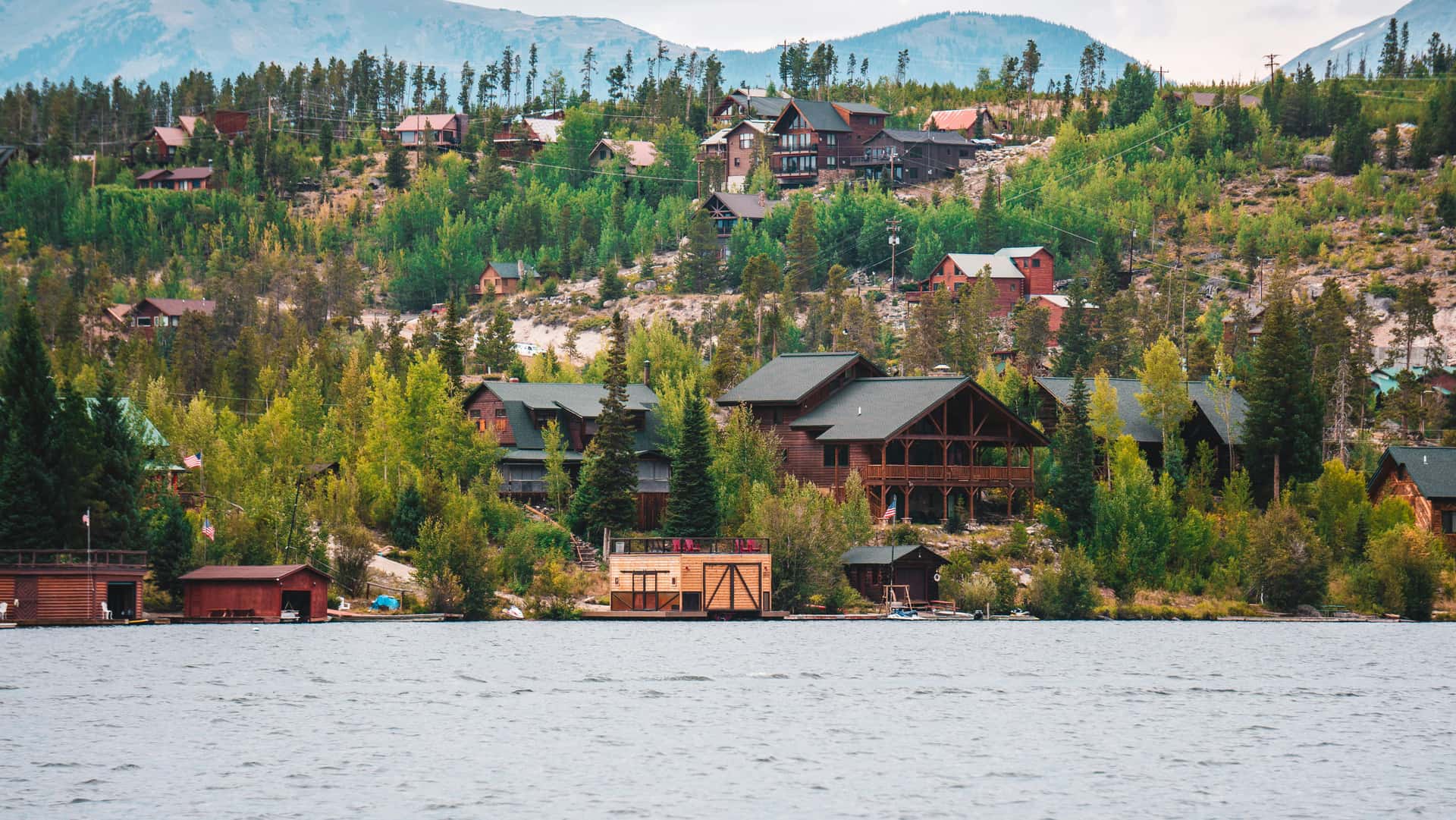
In Vail, Aspen, Steamboat Springs, Telluride, and Breckenridge, the compounding effect is more severe. Mountain builds already carry a 15–30% premium over comparable Front Range construction due to:
- Difficult site access and steep-lot engineering
- Shorter building seasons due to altitude and weather
- Specialized labor and subcontractor availability
- Higher-spec materials for snow load, wildfire mitigation, and energy performance
Layering $10,000–$17,000 in tariff costs onto a mountain custom build that already runs $400–$700 per square foot makes financing even more critical. Borrowers pursuing construction loans need to build larger contingency reserves and lock their budgets earlier in the design phase.
How Tariffs Interact With Mortgage Rates
There's a secondary effect many buyers miss: tariffs create inflationary pressure. Higher material costs get passed through to consumer prices across the economy — not just housing. When inflation expectations rise, bond investors demand higher yields. The 10-year Treasury yield, which directly influences 30-year mortgage rates, has climbed from 3.97% in late February to approximately 4.30% by early April.
That treasury move alone translates to roughly 30–40 basis points of upward pressure on mortgage rates. It's one reason rates surged from below 6% in late February to the 6.46%–6.57% range by early April. Tariff-driven inflation is a meaningful piece of that puzzle, alongside geopolitical uncertainty.
For the Fed, tariffs create a trap: cutting rates to stimulate housing could fuel the very inflation that tariffs are generating. That tension explains why mortgage relief has been slower than many buyers expected despite five Fed rate cuts since September 2024.
What Colorado Buyers Should Do Right Now
If You're Buying Existing
You're in a strong position this spring. Inventory is up, homes are sitting longer, and the close-to-list price ratio in Denver metro is 98.70% — meaning most sellers are accepting below asking. Use this leverage:
- Negotiate aggressively on properties that have been listed 30+ days
- Request seller concessions toward closing costs or rate buydowns
- Get pre-approved now so you can move quickly when the right property appears
If You're Building New
Lock your construction budget early and build in a 10–15% contingency for material cost escalation. Talk to your builder about domestic material sourcing where possible, and work with a lender who understands construction loan structures with built-in escalation protection.
If You're Waiting for Rates to Drop
Tariff-driven inflation may keep rates elevated longer than expected. Rather than timing the market, consider locking a rate now and refinancing later if conditions improve. A temporary rate buydown can reduce your payment for the first 1–2 years while you wait for the rate environment to shift.
The Bigger Picture
Tariffs are unlikely to be reversed quickly, and their housing market effects compound over time as reduced construction activity tightens supply further. The buyers who do best in this environment are the ones who act on what they can control: getting pre-approved, understanding their budget clearly, and working with a lender who can structure loans around current realities rather than hoping conditions change.
Have questions about how tariffs or construction costs affect your specific buying or building situation? Reach out to our team — we work with Colorado buyers navigating exactly these challenges every day. Or start with a free pre-approval to see where you stand.