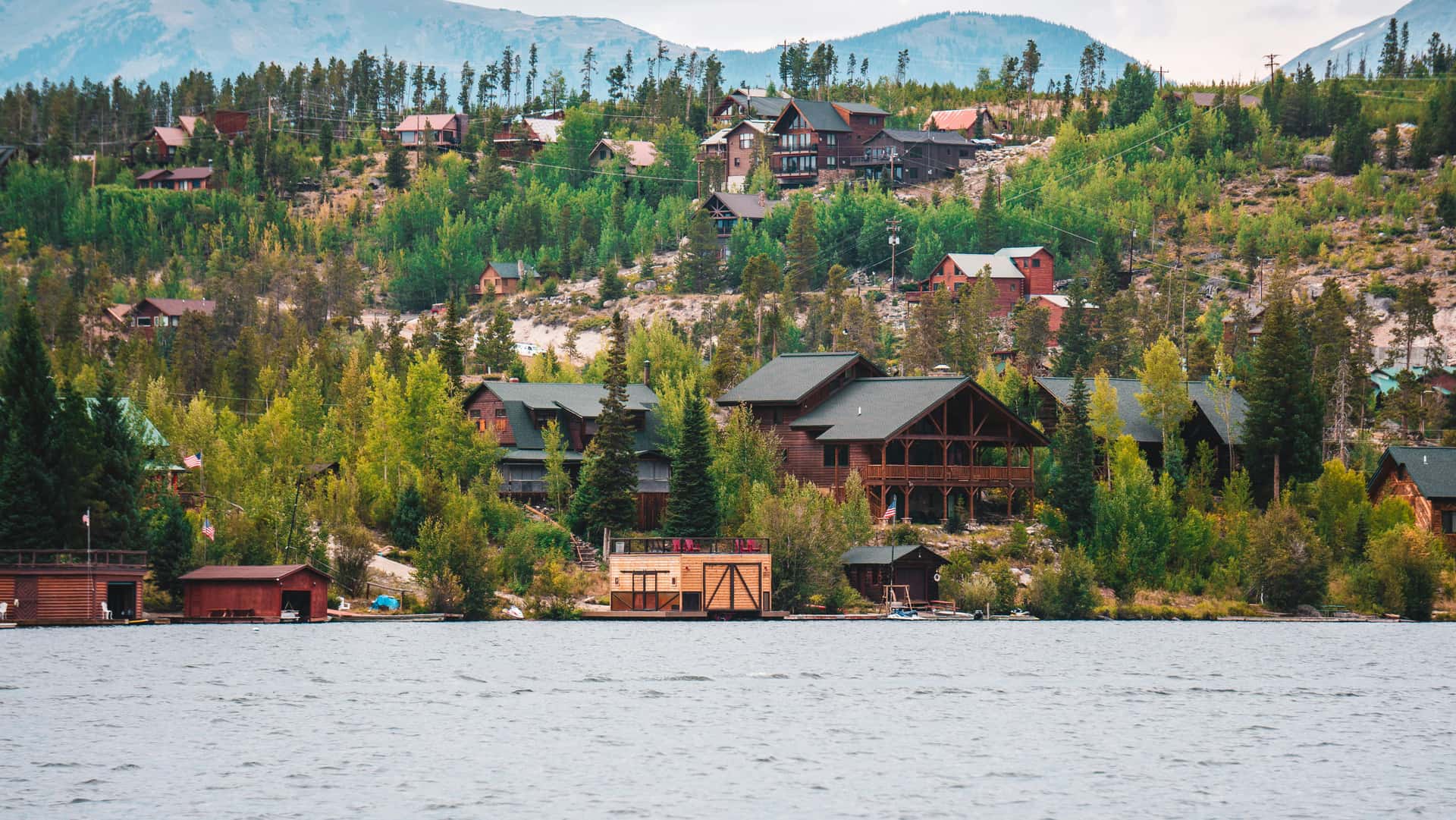
The Great Colorado Debate: City or Mountains?
Colorado newcomers and long-time residents alike face this question: buy in the Denver metro with its convenience and job market, or go for the mountain lifestyle? Both have compelling arguments. Here's an objective analysis to help you decide.
The Numbers: Price Comparison (January 2026)
Denver Metro
- Median home price: $575,000
- Price per square foot: $320-$450
- Entry-level home: $400,000-$450,000
- Property taxes: ~0.5% of value annually
Mountain Markets (varies significantly)
- Summit County (Breckenridge): Median $950,000
- Eagle County (Vail): Median $1,200,000+
- Routt County (Steamboat): Median $875,000
- Grand County (Winter Park): Median $625,000
- Clear Creek/Gilpin: Median $475,000-550,000
Key insight: Mountain entry points vary dramatically. Closer resort towns (Winter Park, Idaho Springs) and less famous communities (Leadville, Buena Vista) offer lower prices than marquee destinations.
Appreciation Trends
Denver Metro: 5-7% annual appreciation over the past decade, with cooling in 2023-2024. Strong fundamentals from population growth, but inventory improvements have moderated price increases.
Mountain Markets: 8-12% annual appreciation in prime locations, even through market corrections. Limited land, strict zoning, and sustained demand create resilient values. However, luxury segments can be volatile.
Winner: Mountain markets have outperformed on appreciation, but with higher volatility and less liquidity.
Financing Differences
Denver Metro
- Most properties fall within conforming loan limits
- All loan types available (FHA, VA, conventional, USDA in outlying areas)
- Standard appraisals, minimal complications
- 3-5% down payments common
Mountain Properties
- Jumbo loans often required
- Higher down payments (10-20% typical)
- Specialized appraisals may be needed
- HOA fees can be substantial ($300-2,000+/month)
- Insurance costs higher in some areas
Example: A $500,000 home in Denver with 5% down requires $25,000 + closing costs. A $900,000 home in Breckenridge with 15% down requires $135,000 + closing costs—a dramatically different cash requirement.
Lifestyle Factors
Choose Denver Metro If:
- You work in-office (most jobs are here)
- You have school-age children (more options, more activities)
- You want cultural amenities (restaurants, concerts, sports)
- You need airport proximity for business travel
- You want easier home maintenance and services
- Budget constraints make mountain prices unrealistic
Choose Mountains If:
- You work remotely (or have location-flexible income)
- Outdoor recreation is central to your lifestyle
- You're semi-retired or retired
- You want a slower pace and smaller community
- You plan to generate short-term rental income
- You're buying a second home for personal use
The Hybrid Strategy
Many Colorado residents employ a hybrid approach:
Option 1: Live Denver, Own Mountains
Buy your primary residence in Denver, then purchase a mountain property as a second home or investment. Use the mountain place for weekends and rent it when you're not there.
Option 2: Start Denver, Move Mountains Later
Build equity in a Denver home while your career develops. Once you have remote work flexibility and more capital, sell and move permanently to the mountains.
Option 3: I-70 Corridor Compromise
Communities like Georgetown, Idaho Springs, and Empire offer mountain living with a reasonable commute to Denver (45-60 minutes without traffic). Prices are lower than resort towns but higher than Denver.
Investment Analysis
Primary Residence Perspective:
Both markets build equity over time. Denver offers more predictable appreciation; mountains offer higher peaks but more volatility. Buy where you'll be happiest living—forcing a lifestyle you don't love to chase returns rarely works.
Rental Investment Perspective:
- Denver long-term rentals: Steady demand, 4-5% cap rates, easier management
- Mountain short-term rentals: Higher income potential (8-12% returns in some markets), but seasonal, management-intensive, and subject to local regulations
Second Home Perspective:
Mountain properties make better second homes—you're buying a lifestyle, not just a roof. A vacation condo in Summit County adds more to your life than a second property in suburban Denver.
What About Working from the Mountains?
Remote work has transformed mountain market demand. Considerations for full-time mountain living:
- Internet: Most mountain towns now have fiber or solid broadband, but verify before buying
- Travel: Allow extra time for Denver flights (weather, traffic); consider Montrose or Hayden airports for western slope
- Services: Fewer options for healthcare, shopping, home services—everything takes more planning
- Community: Mountain towns are tight-knit but can feel isolated, especially in off-seasons
- Weather: Winters are real. Snow removal, cold starts, and limited access are part of life
Making the Decision
Ask yourself:
- Where would I be happier living day-to-day?
- What's my budget reality, including down payment and monthly costs?
- What does my work situation require?
- Am I buying for appreciation or for lifestyle?
- What's my 5-10 year plan?
There's no universally "right" answer—both Denver and the mountains offer incredible Colorado living. The best choice aligns with your finances, career, and personal values.
Ready to Explore Your Options?
Whether you're targeting Denver, the mountains, or still deciding, get pre-approved to understand your budget. Then you can shop with confidence in whichever market speaks to you.
Questions about financing in a specific area? Contact Cedar Home Loans—we specialize in both Denver metro and Colorado mountain property financing.