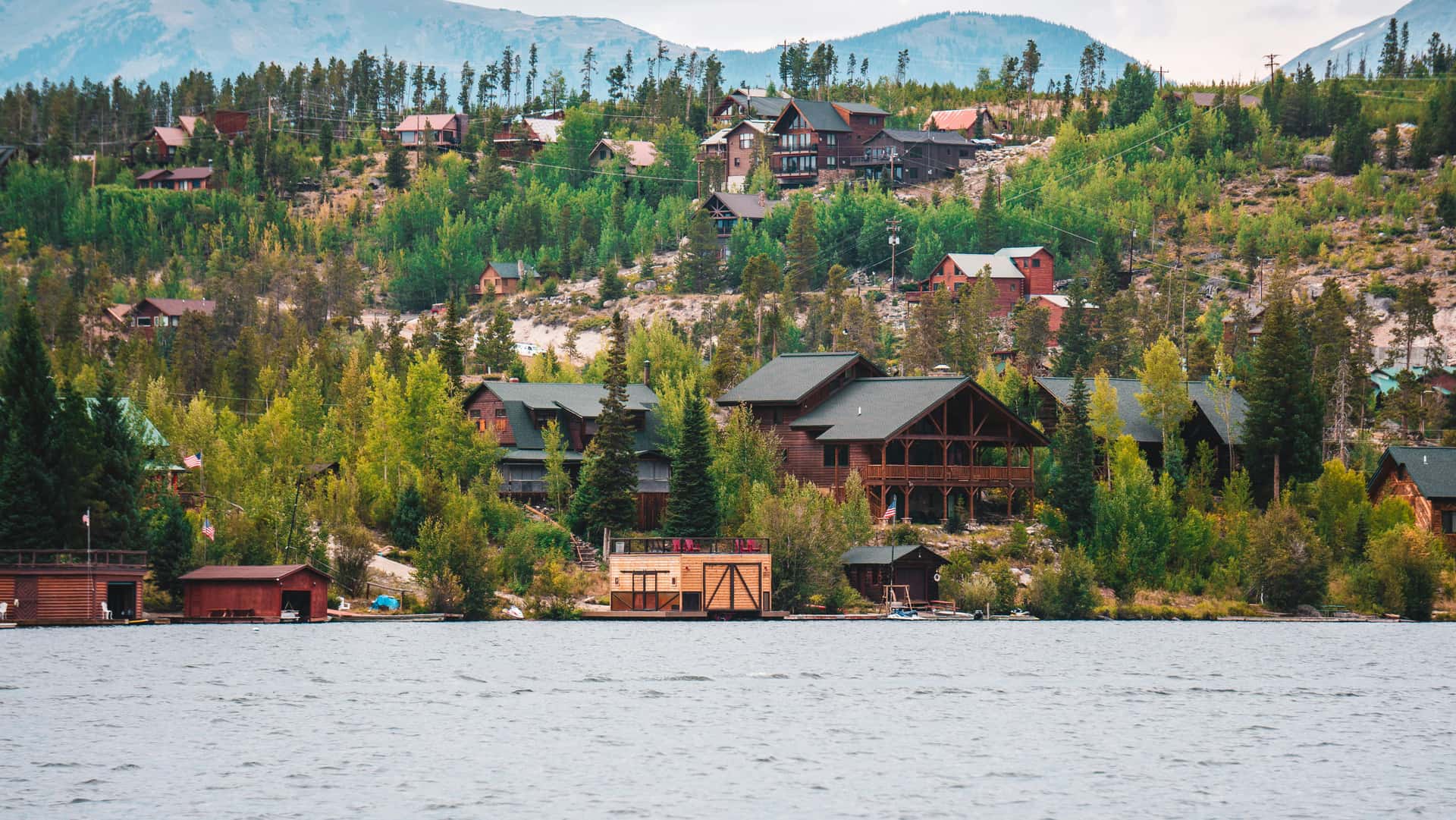
Why Mountain Construction Timing Matters
Building at 8,000 or 9,000 feet elevation isn't the same as building in Denver or the Front Range. Weather dictates so much of your timeline, and that has real implications for your construction loan structure. Let me walk you through what works.
The Weather Window
In most Colorado mountain towns, you've got a realistic construction window from roughly May through October. You can work year-round on interior stuff once you've got a dried-in building, but foundation work, framing, and exterior finishing really need to happen during the warmer months.
Starting a build in September? You might get the foundation in before winter hits, but then everything sits idle for months. That's fine from a construction standpoint, but it means you're paying construction loan interest with no progress happening. Not ideal.
How Construction Loans Work
Construction loans are typically 12-month terms, though some go 18 months for larger or more complex projects. You only pay interest on the amount drawn so far, which is nice. But once that clock starts ticking, you're committed to the timeline.
Your builder gets paid in draws as work is completed. The lender sends an inspector to verify the work before releasing funds. In mountain towns, coordinating these inspections can add time—inspectors might only come to your area once a week, so if you miss a window, you're waiting another seven days.
The Smart Start Date
For mountain builds, April or May is often the sweet spot to close your construction loan. This gives your builder time to get permits finalized, order materials, and break ground by early June when weather is consistently cooperative. You'll make meaningful progress through summer and fall, then hopefully be closed in before the snow flies.
Closing a construction loan in November? That's asking for trouble. You won't make real progress until May anyway, so you're just burning six months of interest for nothing.
The Conversion Question
Some construction loans have a built-in conversion to permanent financing when the build is complete. This is called a "construction-to-perm" or "one-time close" loan. You lock your rate at the beginning, which is great if rates go up during your build, but risky if they drop.
Two-time close options mean you refinance into a permanent mortgage when construction is done. This gives you more flexibility if rates have improved, but it also means paying closing costs twice.
Budget Buffers
Build in extra time and money. Mountain construction almost always takes longer than projected. Material deliveries can be delayed, weather can cause shutdowns, and finding qualified contractors in small mountain towns can be challenging.
I'd recommend budgeting for at least 15-20% over your initial estimate and assuming your timeline will extend by 2-3 months. Better to finish early and under budget than scramble for extension fees when your loan term expires.
Planning a mountain build and want to talk through loan options? Let's discuss your timeline and structure so everything aligns properly.